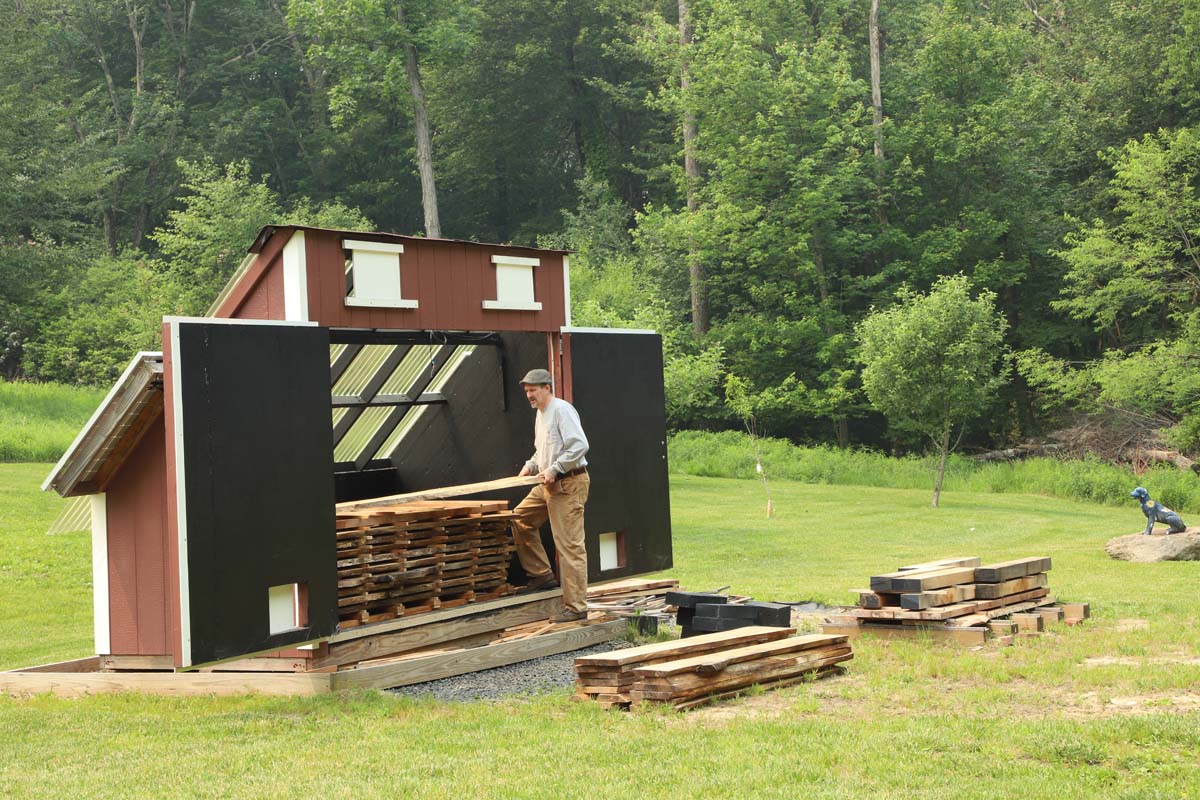
A log drying kiln is an efficient solution for reducing the moisture content of logs before they are used as firewood or processed into timber products. Properly dried wood burns cleaner, produces more heat, and is less likely to develop mould, rot, or insect infestations. Whether you operate a commercial firewood business, a sawmill, or simply want premium-quality logs for home heating, investing in a log drying kiln can significantly improve productivity and product quality.
Modern drying kilns provide controlled environments that dry logs faster and more consistently than traditional air-drying methods, helping businesses meet customer expectations while improving profitability.
What Is a Log Drying Kiln?
A log drying kiln is a specially designed chamber that removes moisture from freshly cut logs using controlled heat, airflow, and humidity management. Unlike natural seasoning, which can take many months or even years, kiln drying significantly shortens the drying process while producing more consistent results.
The goal is to reduce the moisture content to an optimal level, typically below 20% for firewood. Logs with lower moisture content ignite more easily, burn more efficiently, and produce less smoke and creosote.
Why Drying Logs Is Important
Freshly cut timber contains a high percentage of water. Burning wet logs reduces heating efficiency and creates excessive smoke and harmful deposits inside chimneys.
Proper kiln drying provides several benefits:
- Higher heat output
- Cleaner combustion
- Easier ignition
- Reduced smoke emissions
- Lower risk of chimney soot buildup
- Longer storage life
- Improved product quality
- Reduced mould and fungal growth
For commercial suppliers, kiln-dried logs are often preferred by customers because they offer consistent performance and comply with moisture regulations.
How a Log Drying Kiln Works
A log drying kiln uses carefully controlled environmental conditions to accelerate moisture removal without damaging the wood.
The drying process generally includes:
Loading the Kiln
Freshly cut logs are stacked to allow adequate airflow between each piece.
Heating
The kiln gradually raises the internal temperature using electricity, biomass boilers, gas, solar energy, or hot water heating systems.
Air Circulation
High-capacity fans distribute warm air evenly throughout the chamber, ensuring consistent drying across all logs.
Moisture Removal
As moisture evaporates from the wood, ventilation systems remove humid air while maintaining controlled drying conditions.
Monitoring
Sensors continuously monitor temperature, humidity, and moisture content to ensure efficient drying without over-drying the logs.
Benefits of Using a Log Drying Kiln
Professional kiln drying offers numerous advantages over traditional outdoor seasoning.
Faster Drying Times
Depending on wood species and moisture levels, kiln drying may reduce drying times from several months to just a few days or weeks.
Consistent Moisture Content
Controlled drying ensures every batch reaches the desired moisture level, improving product quality and customer satisfaction.
Higher Product Value
Kiln-dried firewood often commands higher prices because it burns more efficiently and is ready for immediate use.
Reduced Biological Growth
High drying temperatures help eliminate mould, fungi, insects, and wood-boring pests that may survive in naturally seasoned timber.
Year-Round Production
Unlike outdoor drying, kiln systems allow continuous production regardless of weather conditions.
Industries That Use Log Drying Kilns
Many industries rely on efficient wood drying systems.
Common applications include:
- Firewood suppliers
- Sawmills
- Furniture manufacturers
- Timber merchants
- Woodworking businesses
- Biomass fuel producers
- Forestry operations
- Construction timber suppliers
Each industry benefits from improved wood quality, reduced moisture-related defects, and faster inventory turnover.
Types of Log Drying Kilns
Several kiln designs are available depending on production requirements.
Conventional Heat Kilns
These use heated air and controlled ventilation to dry logs efficiently. They are widely used by commercial firewood producers.
Biomass Kilns
Biomass systems use wood waste or renewable fuels to generate heat, reducing operating costs while supporting sustainable production.
Dehumidification Kilns
These systems remove moisture using refrigeration technology, making them energy-efficient for smaller-scale operations.
Solar Kilns
Solar-powered kilns use renewable energy from sunlight to dry wood. They are environmentally friendly but generally require longer drying times than heated systems.
Choosing the Right Log Drying Kiln
Selecting the best kiln depends on several important factors.
Consider:
- Production volume
- Available energy source
- Drying speed requirements
- Operating costs
- Kiln capacity
- Automation features
- Moisture monitoring systems
- Long-term maintenance requirements
Commercial operations often benefit from automated systems that optimize drying cycles while minimizing energy consumption.
Maintaining a Log Drying Kiln
Proper maintenance ensures reliable performance and extends equipment life.
Recommended maintenance includes:
- Cleaning ventilation systems
- Inspecting fans and motors
- Calibrating moisture sensors
- Checking heating components
- Monitoring insulation
- Servicing electrical controls
- Removing dust and debris
Routine inspections reduce downtime and maintain consistent drying performance.
Environmental Benefits
Modern log drying kiln technology supports environmentally responsible wood production.
Benefits include:
- Improved fuel efficiency
- Reduced smoke emissions
- Lower particulate pollution
- Better use of renewable biomass energy
- Reduced waste through improved product quality
- Sustainable timber processing
Many commercial kilns now integrate energy recovery systems that further reduce environmental impact.
Why Kiln-Dried Logs Are Popular
Consumers increasingly choose kiln-dried logs because they provide reliable performance and cleaner burning compared to freshly cut or partially seasoned firewood.
Advantages include:
- Immediate usability
- Higher energy efficiency
- Cleaner fireplaces and stoves
- Less creosote formation
- Easier storage
- Consistent moisture content
- Better overall heating performance
These benefits make kiln-dried firewood a preferred choice for homes, businesses, and hospitality venues.
Conclusion
A log drying kiln is an essential investment for businesses and individuals seeking high-quality firewood or timber products. By providing controlled heat, airflow, and moisture management, kiln drying produces cleaner-burning logs, improves product consistency, and significantly shortens drying times.
Whether you operate a firewood business, sawmill, or forestry enterprise, a modern log drying kiln enhances productivity, increases product value, and supports sustainable wood processing. With proper maintenance and efficient operation, kiln drying technology delivers long-term benefits for both commercial producers and customers seeking premium-quality wood products.